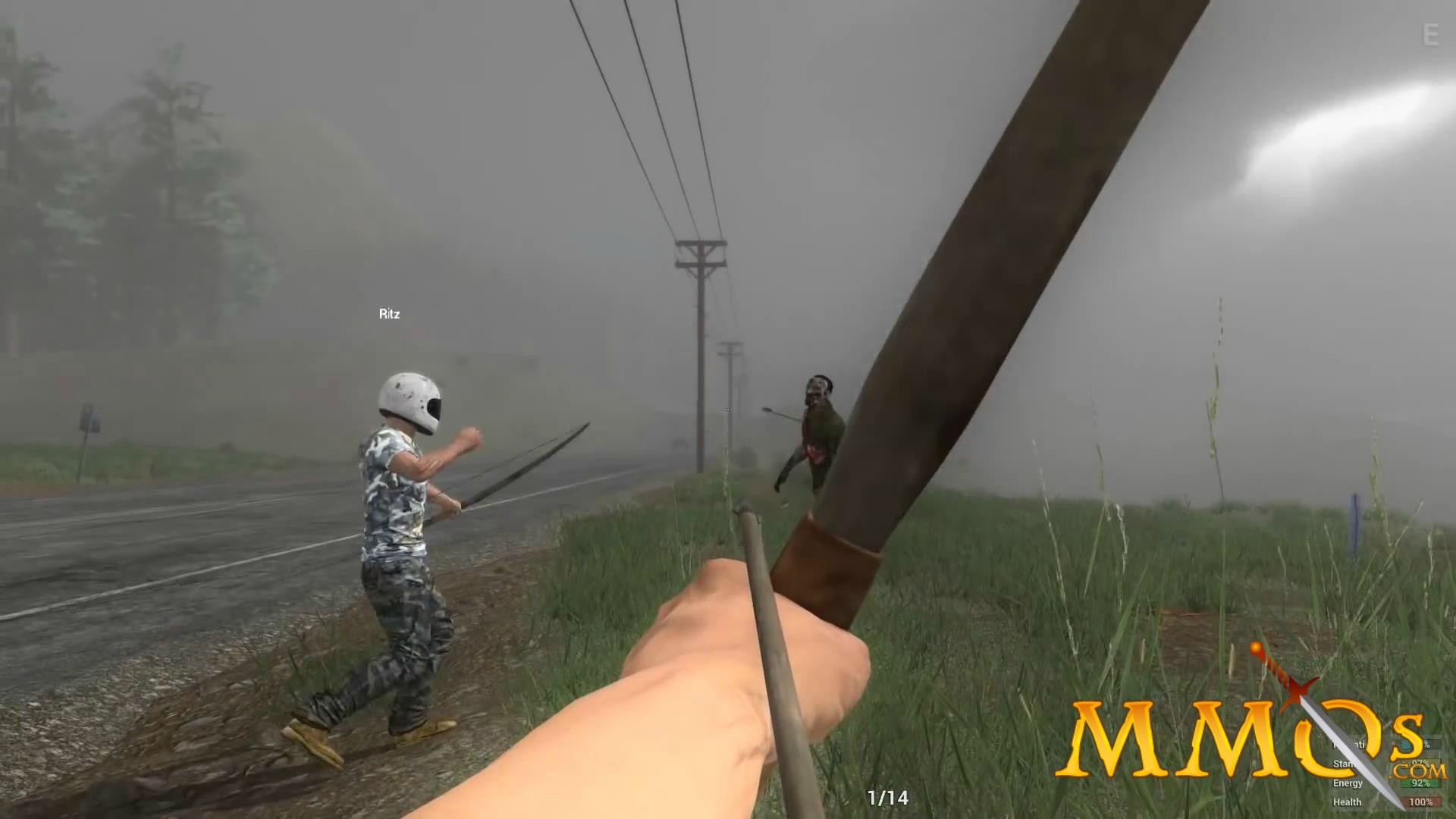
H1Z1 is a 3D zombie-themed sandbox survival MMO / Battle Royale set during a zombie apocalypse. The game takes place in rural America within a large persistent game world. H1Z1 has a strong emphasis on crafting, building structures, and fighting both zombies and other players.
Publisher: Daybreak Game Company Playerbase: Low Type: F2P Survival MMO Release Date: Jan 15, 2015 (Early Access) Pros: +Huge persistent world. +PvE and PvP servers. +Varied crafting options (Weapons/Structures). Cons: -Buggy gameplay. -Cheaters can ruin gaming experience.
Pathfinder Online is a subscription based 3D sandbox fantasy MMORPG developed by Goblinworks. Pathfinder Online features no set classes, no grinding, a player driven economy, and so much more.
Publisher: Goblinworks Type: Sandbox MMORPG Release Date: December 31, 2014 Shut Down: November 28, 2021 Pros: +Unique sandbox focus. +No set classes or grinding. +In depth crafting system. Cons: -Largely abandoned by developers. -Tiny playerbase. -Dated graphics. -Lack of polish.
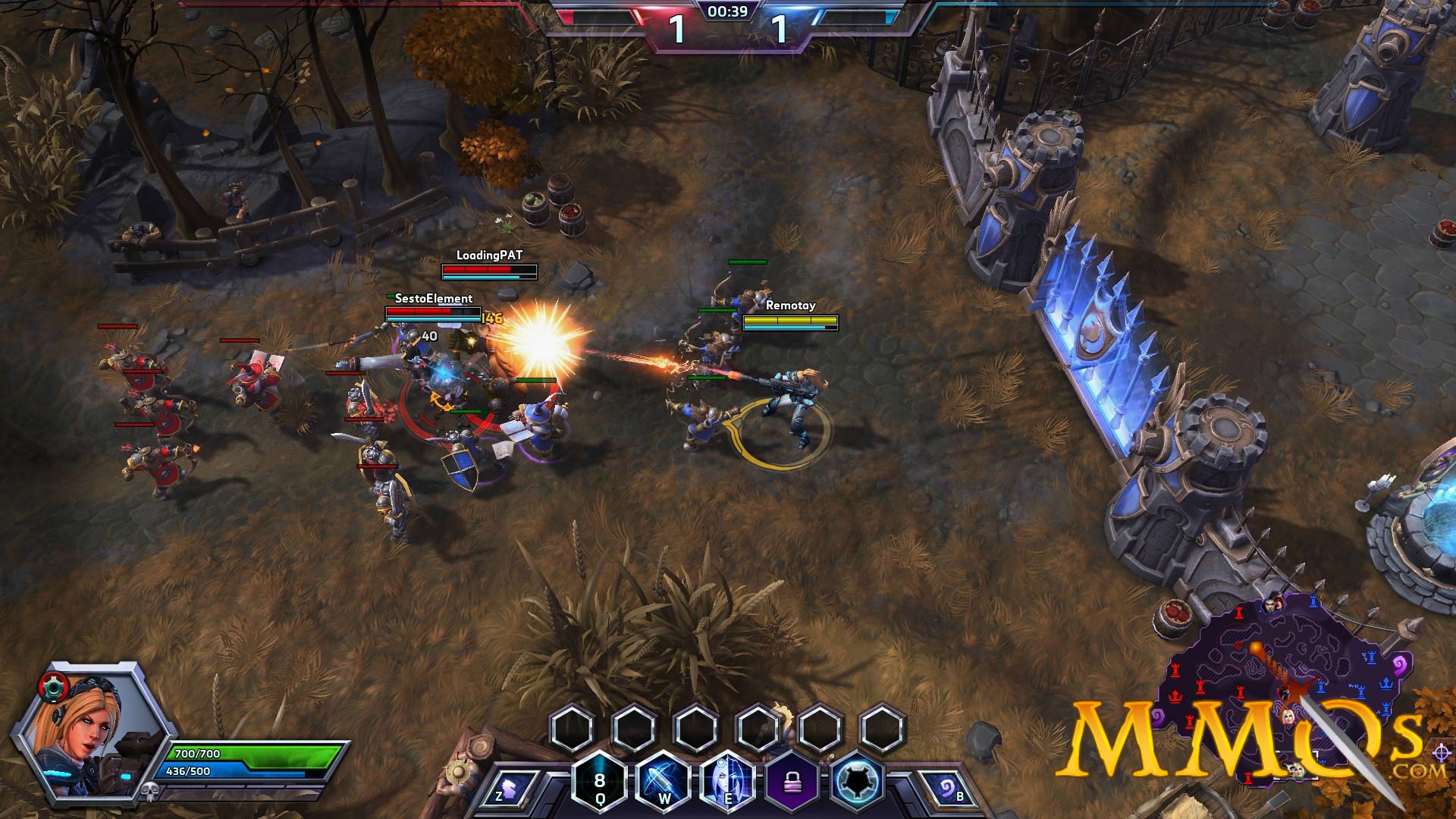
Heroes of the Storm is a 3D hero brawler set in the entire Blizzard universe. Players can battle as their favorite characters from the Starcraft, Diablo, and Warcraft franchises on one epic arena.
Publisher: Blizzard Entertainment Playerbase: High Type:MOBA Release Date: June 2, 2015 Pros: +Great cast of recognizable characters. +Unique objective based maps. +Easy to pick up and learn. Cons: -Simplicity may put off some. -Reconnecting takes too long.
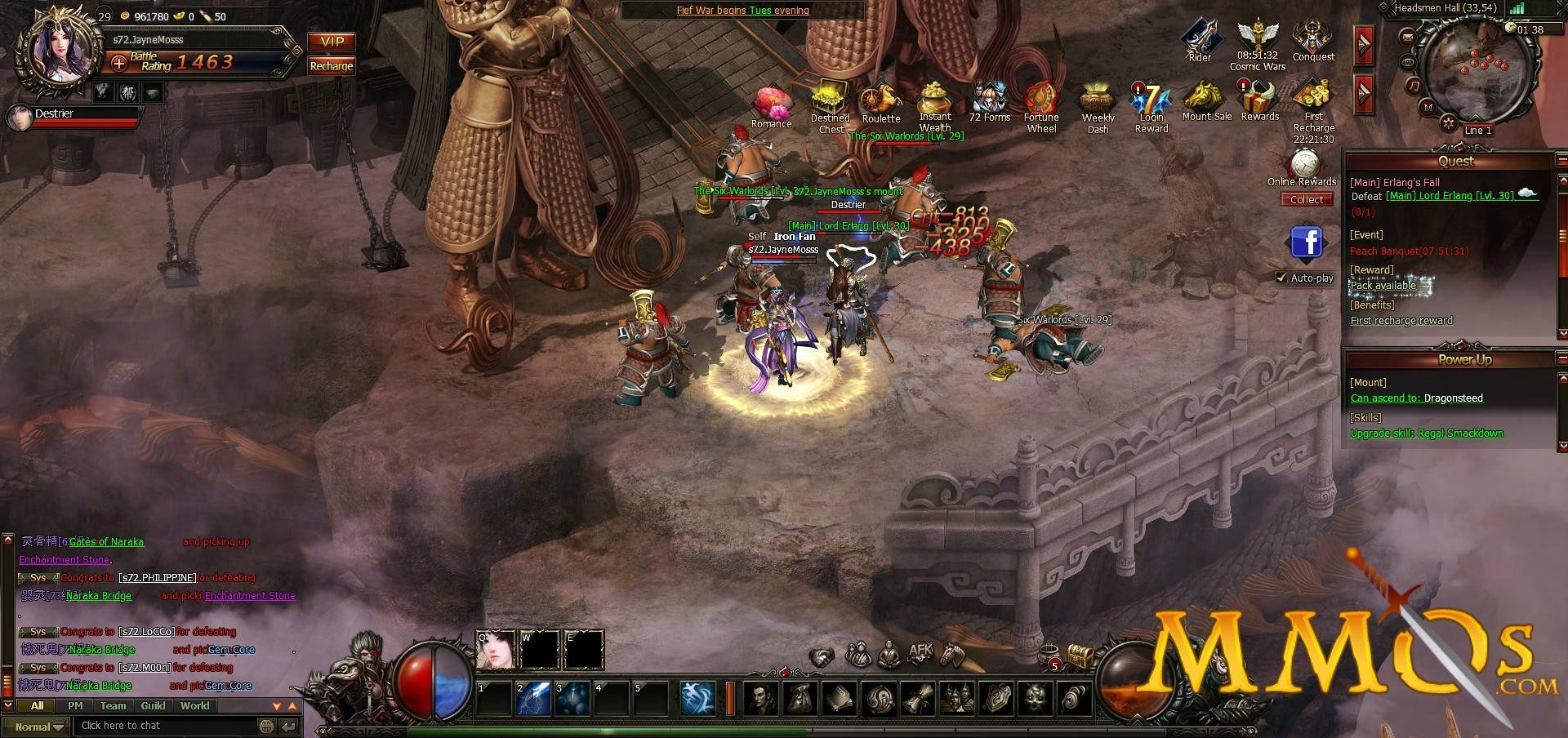
ROSE Online was a fantasy MMORPG with anime inspired graphics where players travel between planets to protect them from Hebarn, the god of malice. Fighting in the name of Arua, the goddess that created the planets, players will gain powerful abilities as they grow stronger, fighting off Hebarn’s forces across the worlds.
Publisher: WarpPortal (Gravity) Type: MMORPG Release Date: December 1, 2005 Shut Down: February 11, 2019 PvP: Open World Pros: +Large game world with 7 planets (Not all out yet). +Beginner friendly. +High level cap (230+). Cons: -Extremely grindy gameplay. -Pay to win elements. -Tiny playerbase.
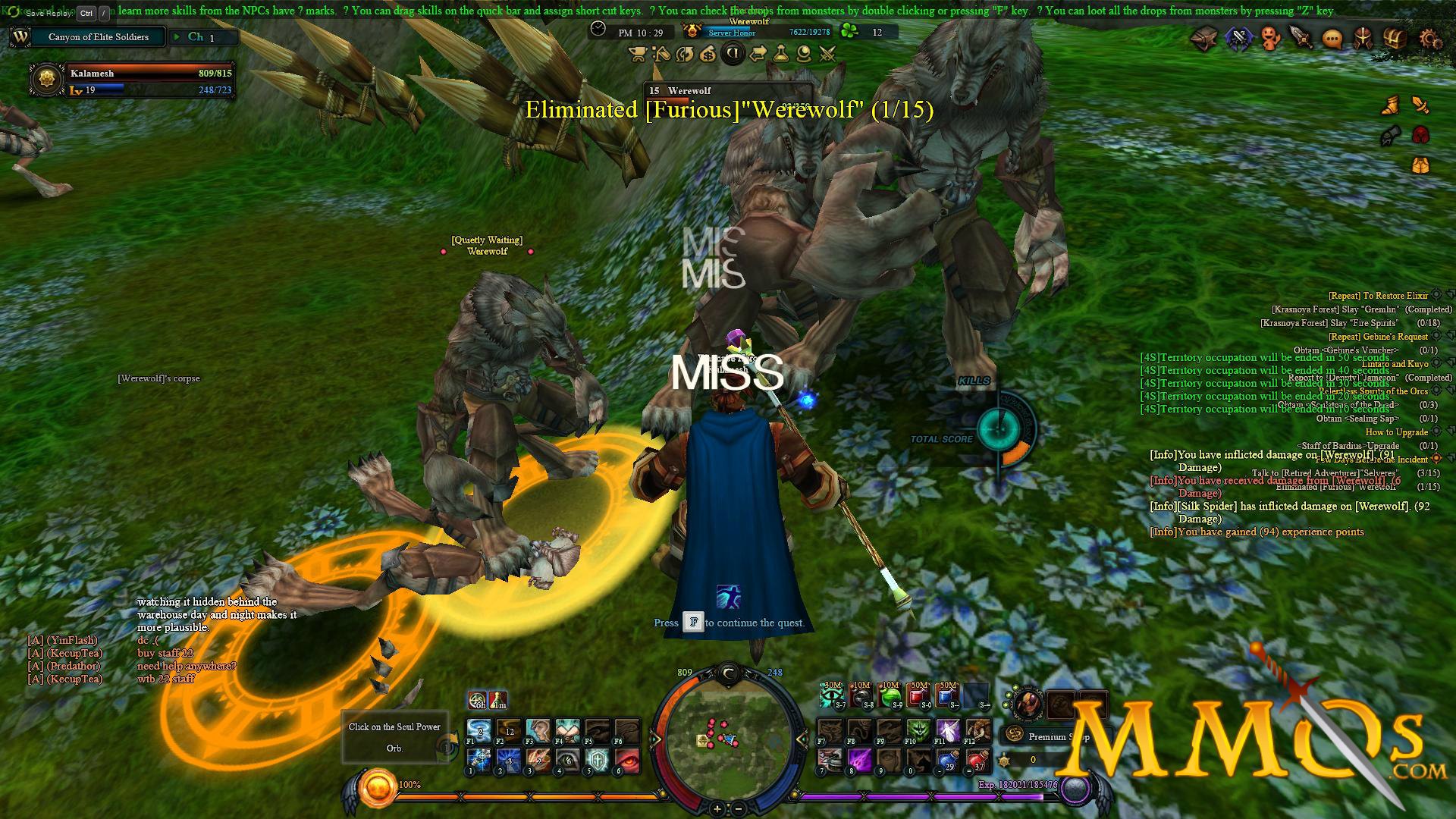
4Story, previously known as Gates of Andaron, is a 3D fantasy MMORPG set in the world of Iveria. 4Story features several warring factions vying for control over the land, and emphasizes questing as well as endgame PvP content.
Publisher: Zemi Interactive & Gameforge Playerbase: Medium Type: MMORPG Release Date: Oct 20, 2008 (NA/EU) PvP: Duels, Battle Grounds, Territory Wars, and more Pros: +Lots of quests. +Varied PvP options. +Unique skill system. Cons: -Limited customization options. -Poor English translations. -Pay-to-win.
While games like Ultima Online and EverQuest helped popularize the MMORPG genre, they aren't the oldest MMORPGs. World of Warcraft doesn't even make the list with its 2004 release date. So which game is actually the oldest MMORPG? Check out the list below of the 13 oldest MMORPGs in gaming history. Some of these may surprise you. Keep in mind, we didn't include some the early online MUDs (multi-user dungeons) such as Island of Kesmai (1985) or Shadow of Yserbius (1991) in this list, but tried to stick to traditional MMORPGs.
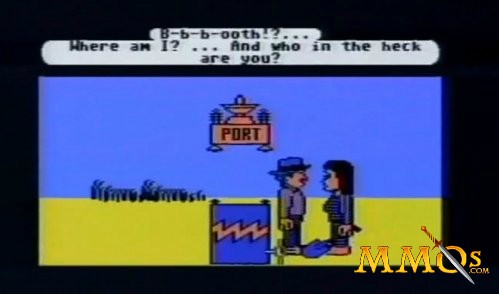
Habitat (1986)
With it's 1986 beta release date, Habitat is without a doubt the oldest virtual world. The game pre-dates Ultima Online by 11 years and World of Warcraft by a whopping 18 years. Habitat was developed by Lucasfilm Games, yes the same Lucasfilm company behind Star Wars, and was the first attempt to make a gaming world truly massive. Simple online chat rooms existed well before Habitat, but Habitat was the first graphical virtual world that attempted to have MMO like scale. The original game was incredibly ambitious for its time and ran from 1986 to 1988 before it was shut down, but relaunched as Club Caribe by Quantum Link (AOL) in 1988. The game was never successful, but was a huge technological innovation for its time.
Kingdom of Drakkar (1989)
Kingdom of Drakkar is a relatively unknown MMO that launched back in 1989 that was developed by Brad Lineberger. The game had its roots in an older MUD (1984) called Realm, which became Kingdom of Drakkar when a front end graphical user interface was created. The game features 8 bit graphics with brightly colored visuals reminiscent of older Ultima games. Surprisingly, Kingdom of Drakkar is still playable today, making it one of the oldest playable MMORPGs. The base game is free but access to some content requires a subscription.
Neverwinter Nights (AOL) (1991)
Neverwinter Nights was developed by AOL, which at the time was known as Quantum Computer Services. Neverwinter Nights was the first successful MMORPG to display graphics and helped to pioneer the genre. The game is based on the Dungeons and Dragons franchise and is seen by many as the first “actual” MMORPG, with actual being in quotes because it featured the kind of gameplay you'd expect in an MMORPG. Habitat pre-dated Neverwinter Nights by 5 years, but was largely a virtual world rather than a traditional MMORPG. The game ran on Microsoft's MS-DOS operating system and launched with maximum server capacity of 50 players, but grew to 500 by 1995. Playing Neverwinter Nights wasn't cheap, it was $6 per hour to play when the game first launched, as servers and internet bandwidth was super pricy in 1991. The game ran from 1991 to 1997 and simply couldn't compete with up and coming titles.
Meridian 59 (1995)
Meridian 59, or M59, was the first 3D MMORPG and was developed by ArcheType Interactive. The game origianlly ran from 1995 to 2000 before it was shut down, but was later relaunched by Near Death Studios. M59 was called by many as a graphical multi-user dungeon, but the developers preferred the term MMPRPG, which later evolved into MMORPG. The game pre-dated Origin System's hugely popular Ultima Online by more than a year and boasted revolutionary 3D graphics in an online game. The game is still around today as a free to play title supported by the game's original developers Andrew Kirmse and Chris Kirmse.
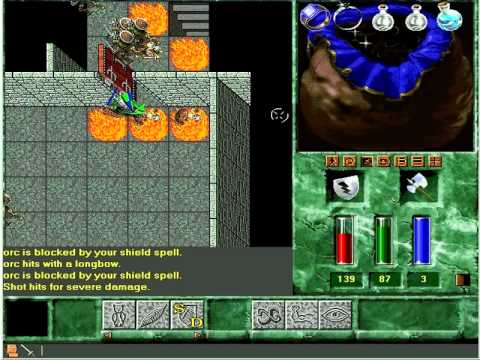
Legends of Kesmai (1996)
Legends of Kesmai, or LOK for short, was developed by the same folks behind Island of Kesmai, a 1985 fantasy multi-user dungeon. Unlike Island of Kesmai, Legends of Kesmai features a fully 2D world with a top down camera. It was among the first successful graphical MMORPGs and featured 2D sprites. The game was available on America Online and GameStorm.
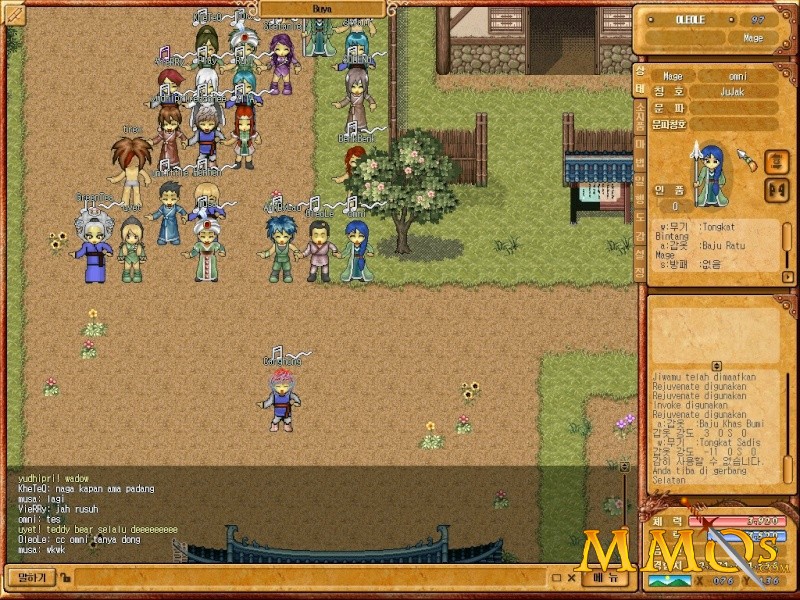
Nexus: The Kingdom of the Winds (1996)
Nexus: The Kingdom of the Winds is the first Korean MMORPG to make this list. The game was developed by Kru Interactive, which was actually a part of Nexon before it split into two companies (Nexon as we know it today and Kru Interactive). Nexus was the first popular MMORPG after Neverwinter Nights and features much of the gameplay most people associate with MMORPGs today. It was one of the few MMORPGs before Ultima Online that reached wide scale success. Despite launching in 1996, Nexus: The Kingdom of the Winds remains in service today as a subscription based game (it's free to play up until level 49 though).
The Realm Online (1996)
The Realm Online was a graphical MUD developed and published by Sierra on-line that featured turn-based combat. The game's first year was seen as only a moderate success, as 25,000 accounts were registered, but only 100-200 players were ever online even during peak hours, which was hardly massive. The Realm Online simply couldn't compete with Meridian59's, Ultima Online, or EverQuest, so the game was quickly abandoned by Sierra.
Furcadia (1996)
Furcadia is a free to play MMORPG with social elements that originally launched on December 16, 1996 and is still in service today. As the name of the game suggests, Furcadia is an MMO inhabbited by anthropomorphic creatures; It's an MMO for furries. Despite its age, the game is still running; it's one of the longest running MMORPGs.
Tibia (1997)
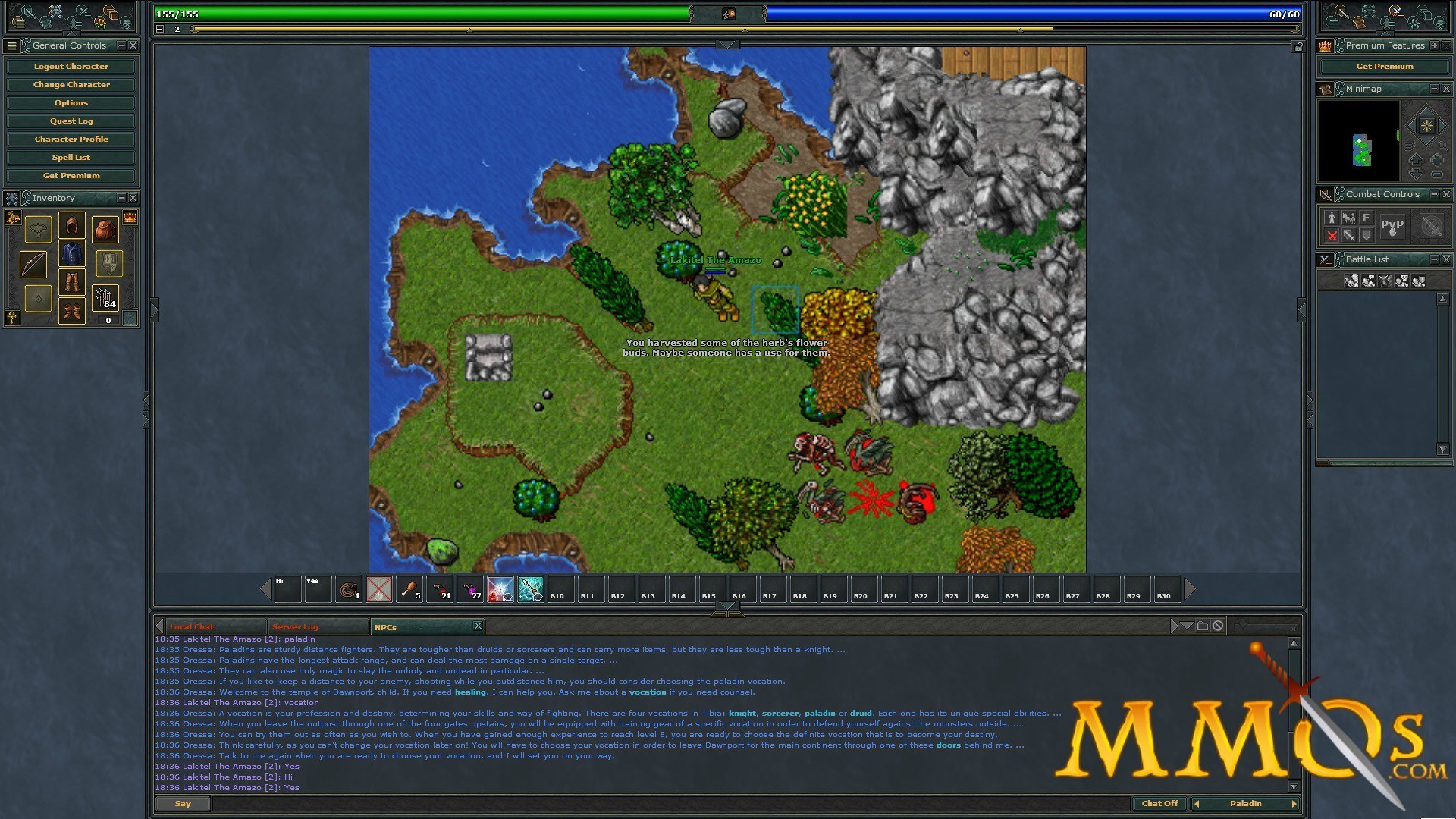
Tibia is one of the oldest MMORPG and most successful MMORPGs. Despite its launch in 1997, the game continues to be popular even today, boasting 15,000+ players online at any given time (as of 2015). Tibia was developed by CipSoft in Germany and was a huge hit in Europe upon release. Tibia was a huge step up from the original Neverwinter Nights game and feels more like a modern MMORPG than everything that came before it.
Ultima Online (1997)
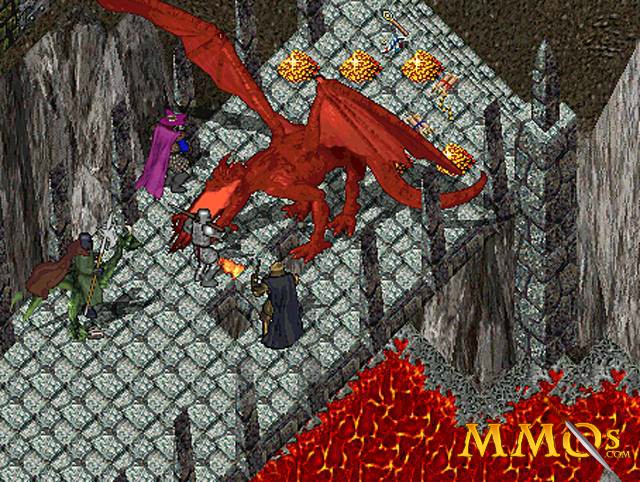
Ultima Online was the game that brought the MMORPG industry into the spotlight and was first truly “massive” MMORPG. The game was designed by Richard Garriott's Origin Systems Inc and was the first MMORPG to ever reach 100,000 subscribers. The game peaked in popularity in 2003 with 250,000 subscribers and has been in steady decline since. The game is still in service as of 2015.
Dark Eden (1997)
Dark Eden is one of the only horror themed MMORPGs ever released and gave players the opportunity to play as either Humans, Vampires and Ousters. Dark Eden was a unique MMORPG, as it was set during more modern times and wasn't just another generic fantasy themed game. Dark Eden is developed and published by South Korean studio SOFTON and the game is still in service even today in Korea. The international version of the game was available from 2008 - 2013, but shut down. Dark Eden has a huge following in the West though and as such, there are dozens of private servers for the game in existence today.
Lineage (1998)
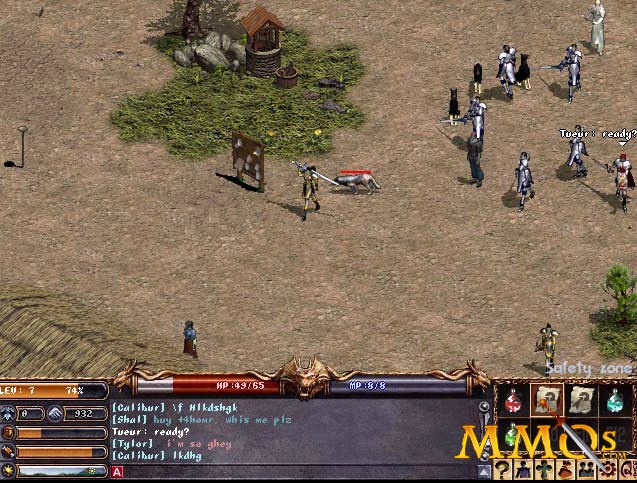
Lineage is a fantasy themed MMORPG developed by South Korean game studio NCSoft in 1998. Lineage put NCSoft on the map as an MMO developer and the game was tremendously successful. It was developed by Jake Song, who also designed the popular Nexus: The Kingdom of the Winds MMORPG back in 1994. The game's North American servers ran from 1998 to 2011, but the South Korean servers remain in service (as of 2016). Despite its age, the game boasted ~1 million subscriptions as of 2008 and generated 2 trillion Korean Won in revenue ($1.8 billion) for NCSoft as of late 2013, making it one of NCSoft's most profitable games ever.
EverQuest (1999)
EverQuest was Sony's first MMORPG and alongside Ultima Online, helped bring the genre to the masses. The game was developed by Sony's 989 Studios and the game's design is credited to Brad McQuaid, Steve Clover, and Bill Trost. Within a year after the game's launch, EverQuest's subscription numbers had surpassed the reigning champion, Ultima Online. Subscriptions peaked around 2004 with ~500K subscribers. EverQuest launched as a pay to play subscription game, but introduced some free to play elements in early 2012. Since the game's 1999 release date, EverQuest is still in service and has launched 21 expansion packs to date, with the game still in active development. The game's 21st expansion, The Darkened Sea, launched on Oct 28, 2014. The game's success led to the development of EverQuest 2 and EverQuest Next.
Dark Ages (1999)
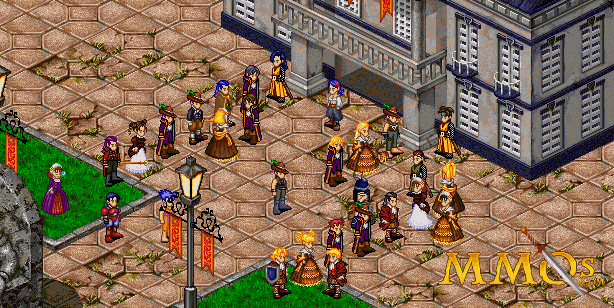
Dark Ages was developed by the Korean game studio KRU Interactive – the same company behind the much older MMORPG – Nexus: The Kingdom of the Winds. Dark Ages was the first MMORPG to feature a rich political system and still remains in service today (as of 2015).
Helbreath (1999)
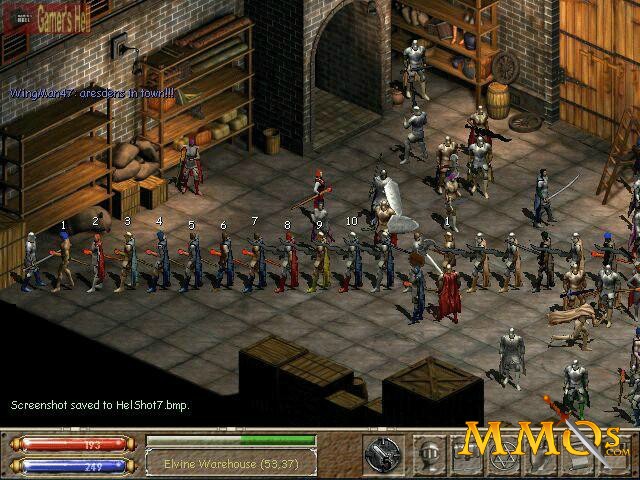
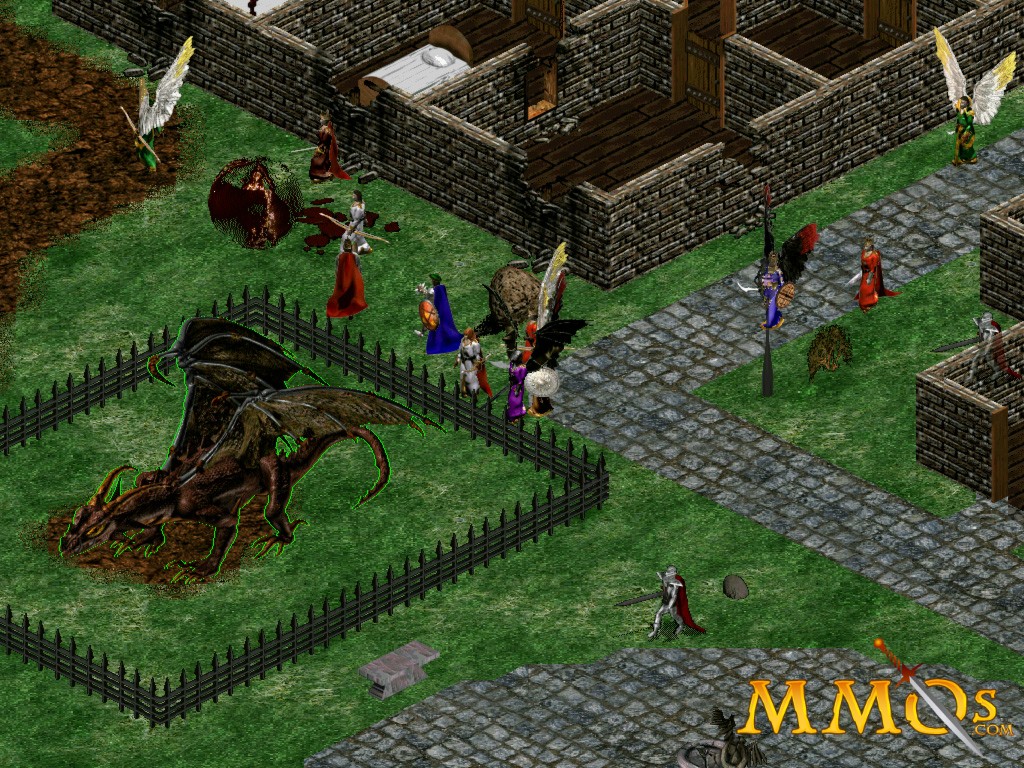
Helbreath: The Crusade was developed by Korean game studio Siementech and launched into beta on August 1, 1999.The game launched in North America in early 2003, nearly 3 years after its Korean beta. The U.S. version of the game was rebranded as Abaddon Apocalypse as of mid 2014. Despite its age, the game maintains a loyal playerbase. There are even hundreds of private servers out there for hardcore fans of the game.
The 4th Coming (1999)
The 4th Coming, or just T4C for short, was an MMORPG developed by Canadian game studio Vircom Interactive. The 4th Coming was one of the first MMORPGs to introduce the "rebirth" system, now popular in games like Ragnarok Online. The game boasted 500,000 registered players by 2002, but these numbers paled in comparison to Ultima Online and EverQuest's success. The original service by Vircom ran from 1999 to 2006, but a newer version of the game, The 4th Coming V2, is available through a company called Dialsoft.
I also made a video for the Oldest MMORPGs in Gaming History:
Oldest MMOs in Gaming History
Have you played any of these games? What other old MMORPGs have you played? Discuss it in the comments below!
I first started playing MMORPGs back in 1997 when my uncle introduced me to Ultima Online. From the moment I logged in and saw hundreds of other players in the game world, I was hooked and wanted to be a big shot in the game's community. And what better way to show off my awesome MMO wealth than a huge house with awesome goodies in it? Ultima Online introduced me to MMORPGs and showed me what great housing in an MMORPG looks like. Player housing in MMOs has always been either a his or miss ordeal. Some games implement housing incredibly well while others just bolt it on as an afterthought. Anyway, check out how some MMORPGs implemented player housing:
Final Fantasy 14
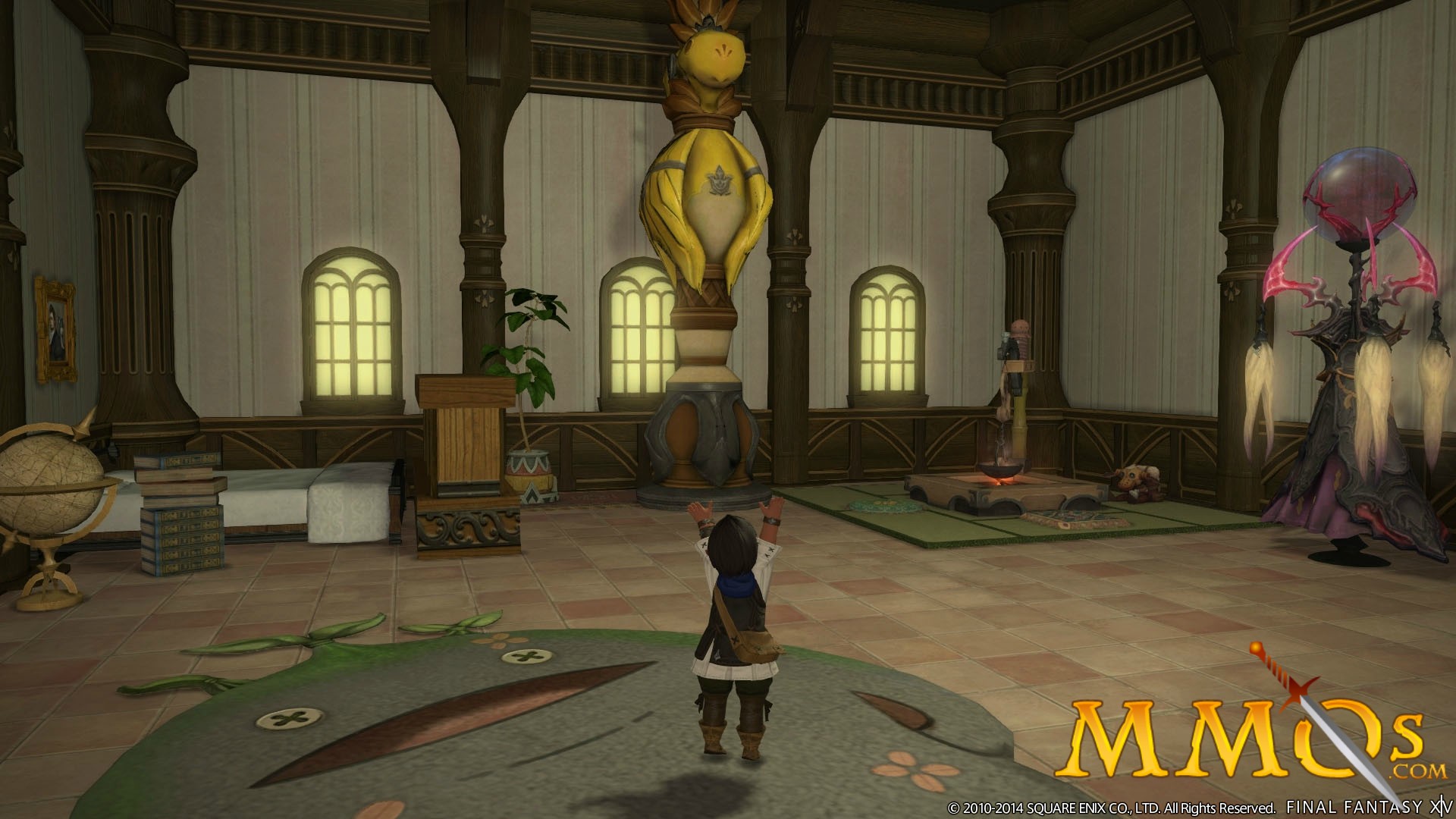
Player housing was introduced in Final Fantasy 14 with patch 2.1. Initially, only Free Companies (guilds) could purchase homes, but with the release of patch 2.38, Personal Housing became available. Players can own their own homes within 3 residential districts. Players must have at least on level 50 character and be a high ranking second lieutenant in one of the game's Grand Companies (factions). Owning a house provides some real benefits in FF14 too like Chocobo training and access to the game's gardening and airship systems. Homes exist in the persistent world in special housing wards alongside other homes. The launch of personal housing caused a ton of problems in Final Fantasy 14, as personal housing and free company housing was supposed to be separate from the extremely expensive guild homes, but wasn't. Plots are limited and prices are extremely high. To address the issue of limited availability for player homes, Square Enix released apartments for Final Fantasy XIV with patch 3.4, which makes player homes much more affordable (by increasing supply drastically). Player homes can also be furnished with forges and other items required to train crafting. With near infinite ways to customize and decorate a home, Final Fantasy XIV's housing system is top notch.
Elder Scrolls Online
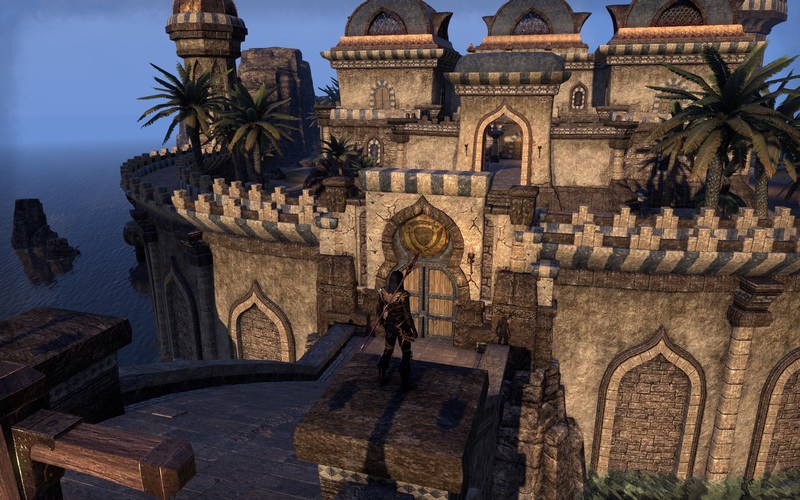
The Elder Scrolls Online introduced a housing system with its homesteads patch in February, 2017. It launched with 40 unique homes sized from apartment to manor and features thousands of unique furniture items.
Runes of Magic
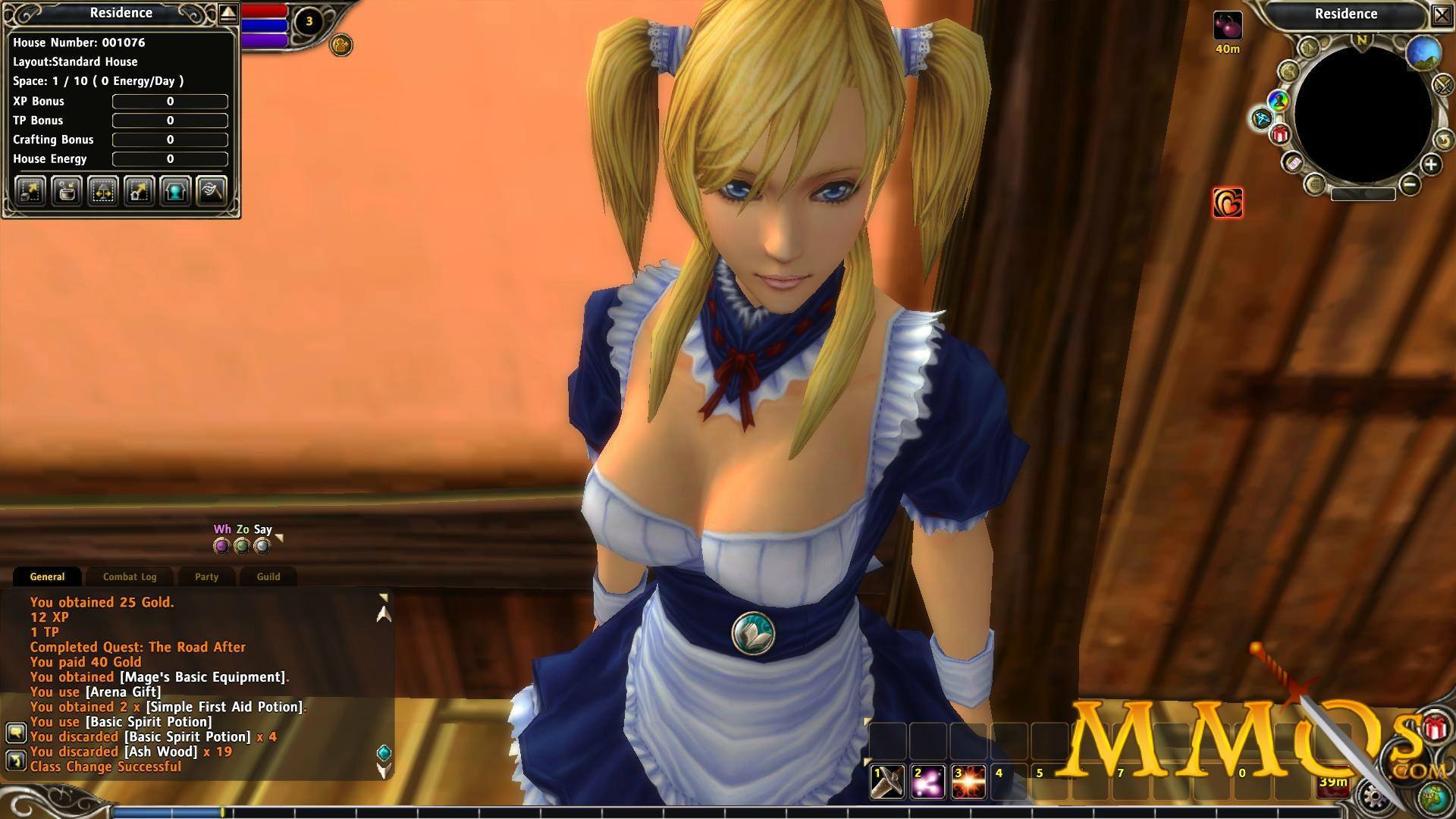
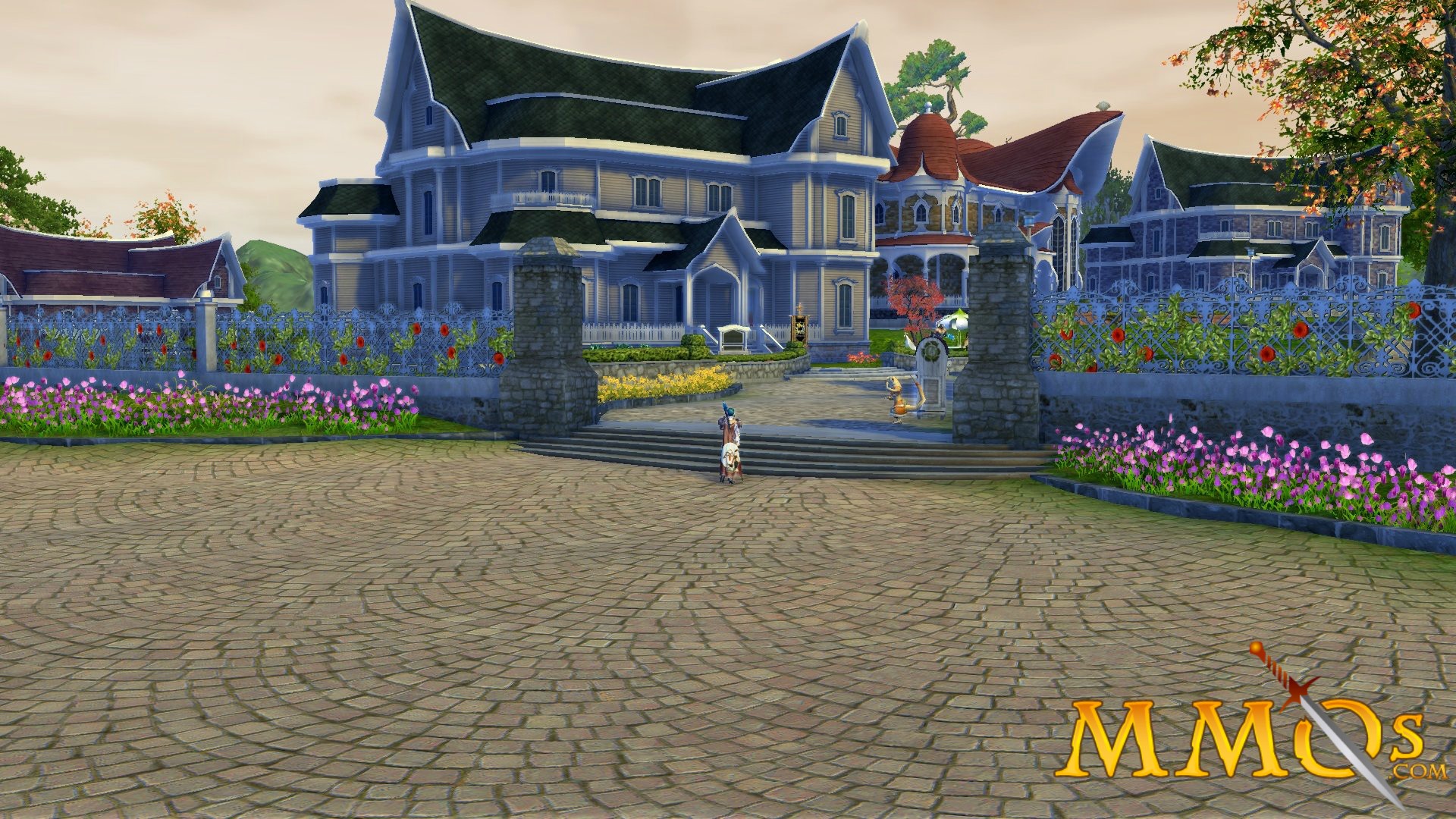
Housing in Runes of Magic exists in a unique instanced zone seperate from the game's regular persistent world. Players can decorate their homes with 130+ available interior items (tables, chairs, rugs, beds, etc) while also using their home for item storage. Crafting skills can also be used in homes with private forges (blacksmiths), laboratories (alchemy), and huge pots (cooking). Skill gain for crafting is faster in homes, so there's a reason to craft inside a house. Players can add rooms and hire additional housekeepers for extra gold too. Player housing is actually pretty in-depth in Runes of Magic compared to many MMORPGs, but the lack of persistence makes it difficult to show off your pad to others.
Ultima Online
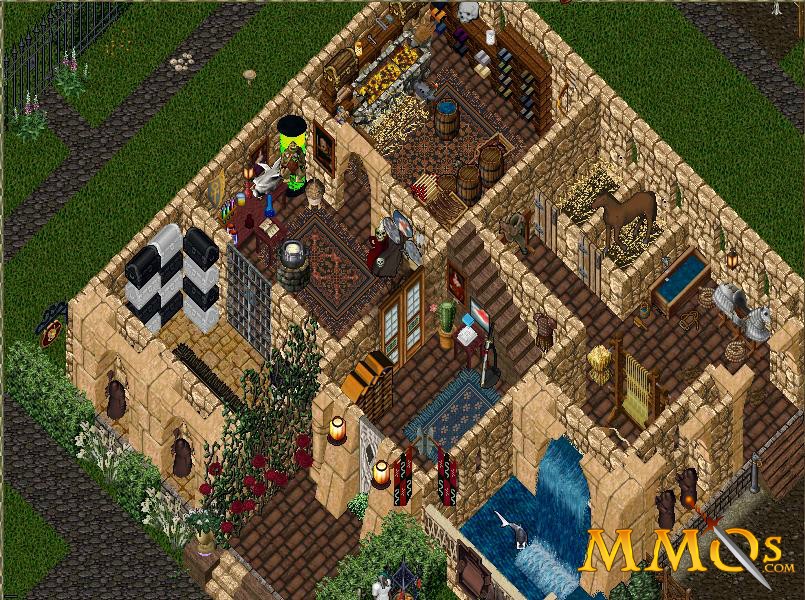
Despite the fact that Ultima Online basically pioneered the entire MMORPG industry, the game still has the one of the best (if not best) player housing system in any MMO. The key to the game's housing system is that homes exist within the persistent world. No special player housing zones or anything like that. Houses could be placed anywhere that's not blocked by trees, brushes or other terrain. Homes placed near dungeons or other popular hunting grounds provided incredible utility while homes placed near towns made excellent shops. Players had near infinite possibilities for customizing their homes – from simply re-arranging furniture to showing off your super rare goodies on pedestals. Home sizes range from tiny small brick houses to massive castles. Houses in PvP spots made excellent safe houses from danger too. Housing in Ultima Online had everything a good player housing system needs – persistent world existence, variety, and utility. The fact that a game released in 1997 has a better player housing system than newer MMORPGs today is quite disappointing. With the huge success of World of Warcraft, developers just don't want to take bold risks anymore.
Rift
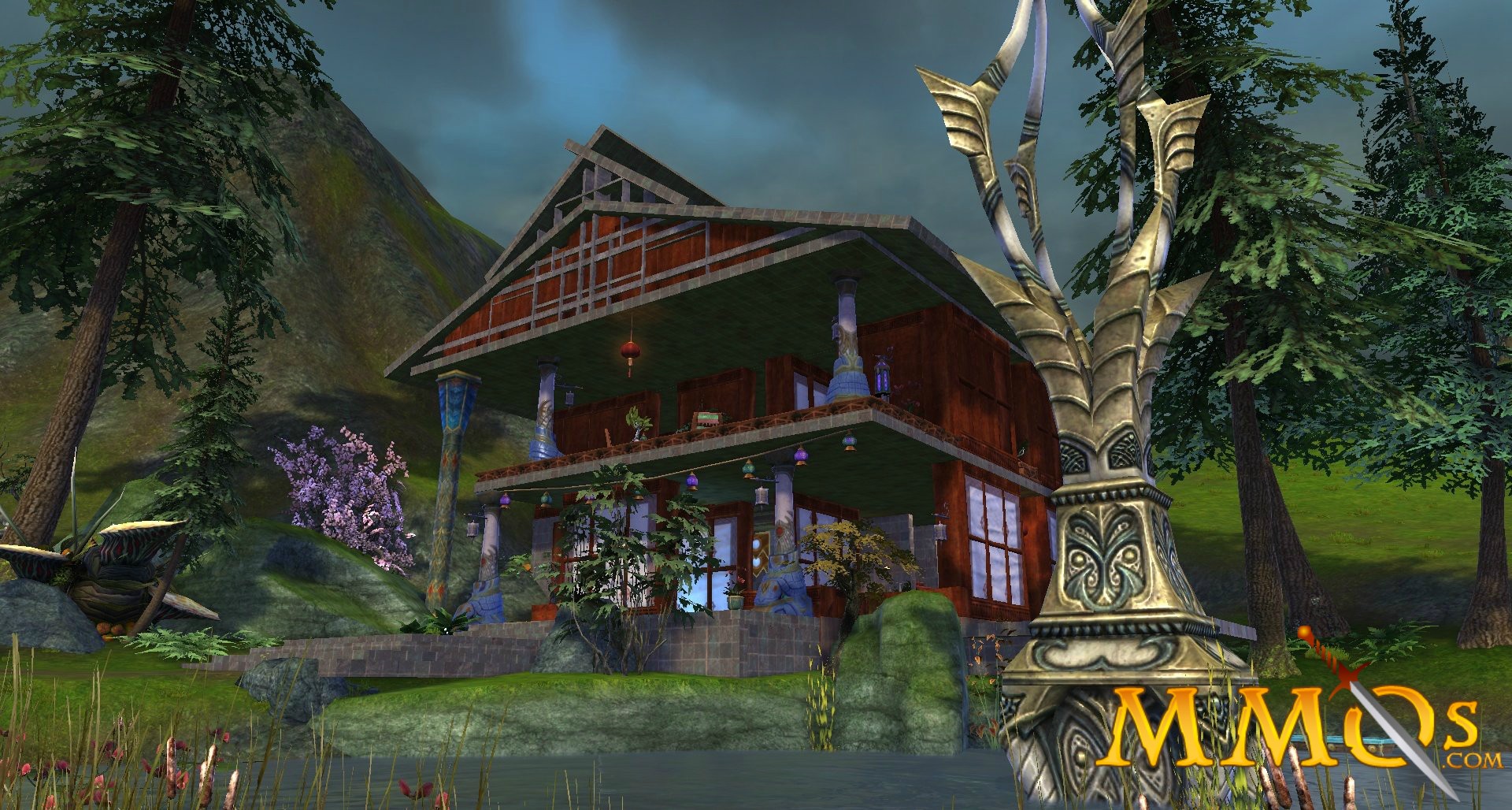
Rift's player housing system is actually quite unique. Instead of allowing players to own their own home, they can own entire areas called “dimensions” that exist in their own instanced area. Despite the fact that it's still instanced, dimensions are based on persistent world locations. Instead of a house, you can own an entire area and can actually build numerous structures within it from houses to temples. These areas are quite big too so players are free to decorate them however they like. One drawback here is that dimensions cannot be expanded in size, but players can purchase additional item storage space within their dimension.
Aion
Aion introduced its player housing system with patch 3.0. Free housing units are available to everyone starting at level 21 after completing a quest chain. Players can access their homes by using their “Homeward bound” skill that teleports them to their home. Those that aren't satisfied with a studio can purchase larger houses, mansions, estates or even a palace. What I like about the housing in Aion is that unlike most games, housing exists in the persistent world. Unfortunately, the way the game is designed, homes only exist in special areas and space is very much limited. Players can't expand their existing homes but can always purchase bigger ones. Players have to pay a regular maintenace fee to keep their homes, so players that no longer play can't hold onto a home forever. Player housing in Aion is actually some of the best i've seen, mainly because it exists in the actual game world rather than an instance. The only utility a home provides though is extra item storage and a minor buff when logging inside your home.
Lord of the Rings Online
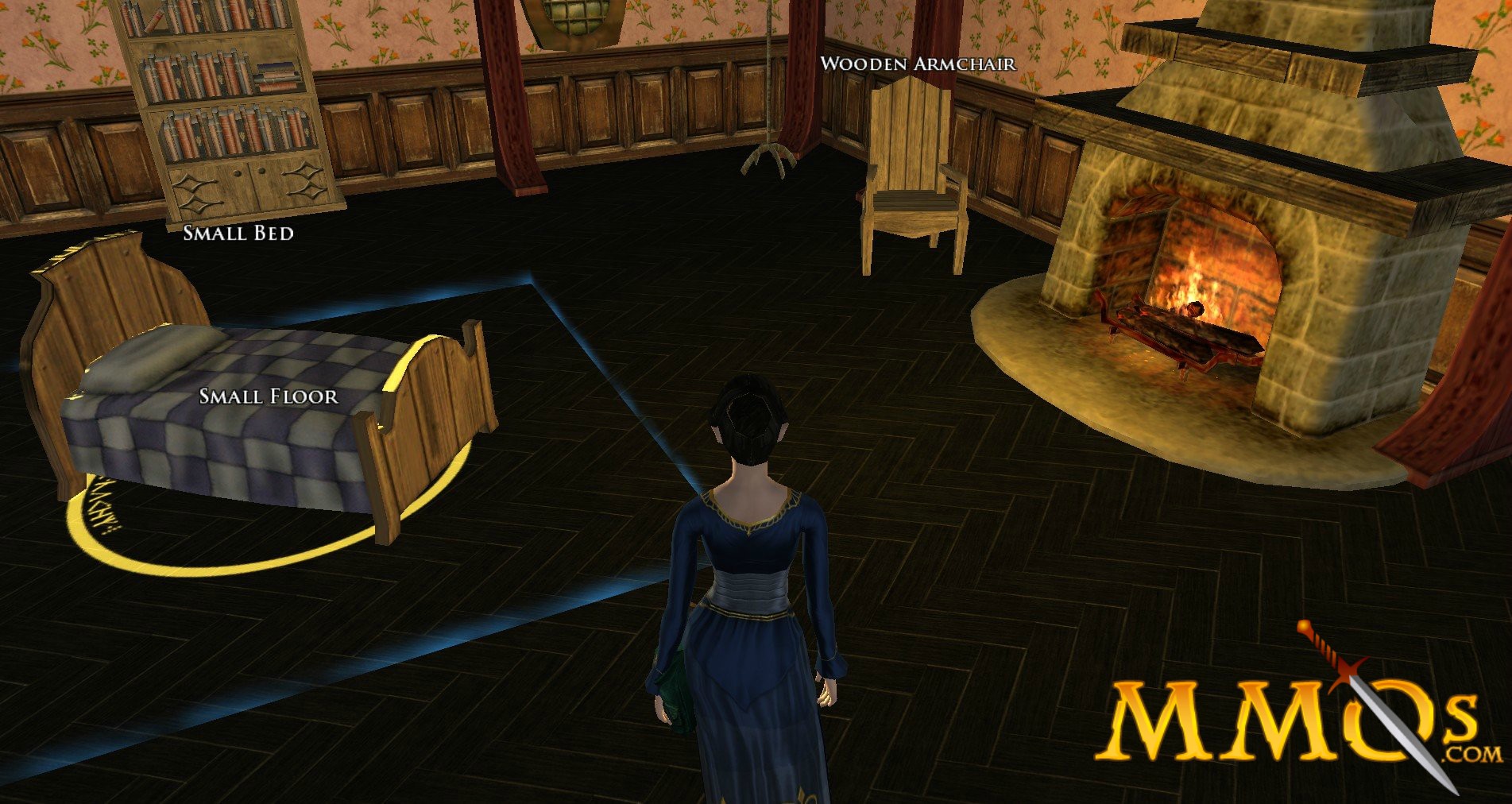
Player housing in Lord of the Rings Online is a mix between persistent and instanced. Upon reaching level 15, players have access to 3 different kinds of homes in LOTRO: Standard, Deluxe, and Kinship homes. Both the interior and exterior of these homes can be decorated. Even though homes don't exist in the persistent world, clusters of homes, called neighborhoods, exist together. Every neighborhood is instanced and contains 4 kinship houses, 10 deluxe houses and 16 personal houses. Since homes are clustered together, you'll actually have neighbors and see other people's homes. Like Aion, players have to pay a weekly upkeep maintenance fee to maintain ownership of their home. The only benefits to owning a home in Lord of the Rings is extra storage, NPC vendor discounts, and a skill that allows instant travel to your home.
Twin Saga
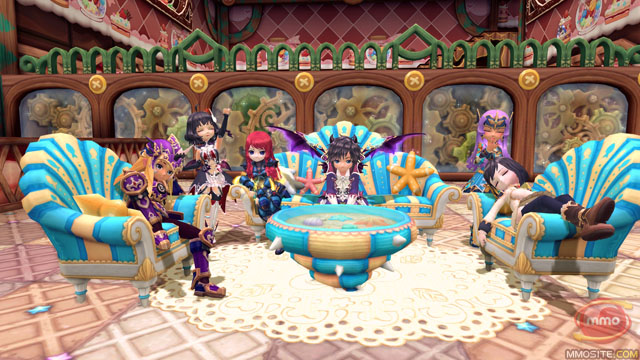
Twin Saga handles player housing in a very traditional fashion. Every player can get a home, called a Terracottage, for free by completing a quest early on in the game. This house can be accessed at anytime simply by instancing into it. Players can furnish their terracottages and decorate them to their liking. Practical uses of player homes outside of decoration are limited in Twin Saga.
Black Desert Online
Similar to Twin Saga, player housing in Black Desert Online is instanced. It does exist within the persistent world though. Players can purchase "rooms" in major cities. Supply is not limited though as players can pick from a list of player rooms when zoning into one of these apartments. Players can customize their rooms with various bits of furniture and other goodies.
Star Wars: The Old Republic
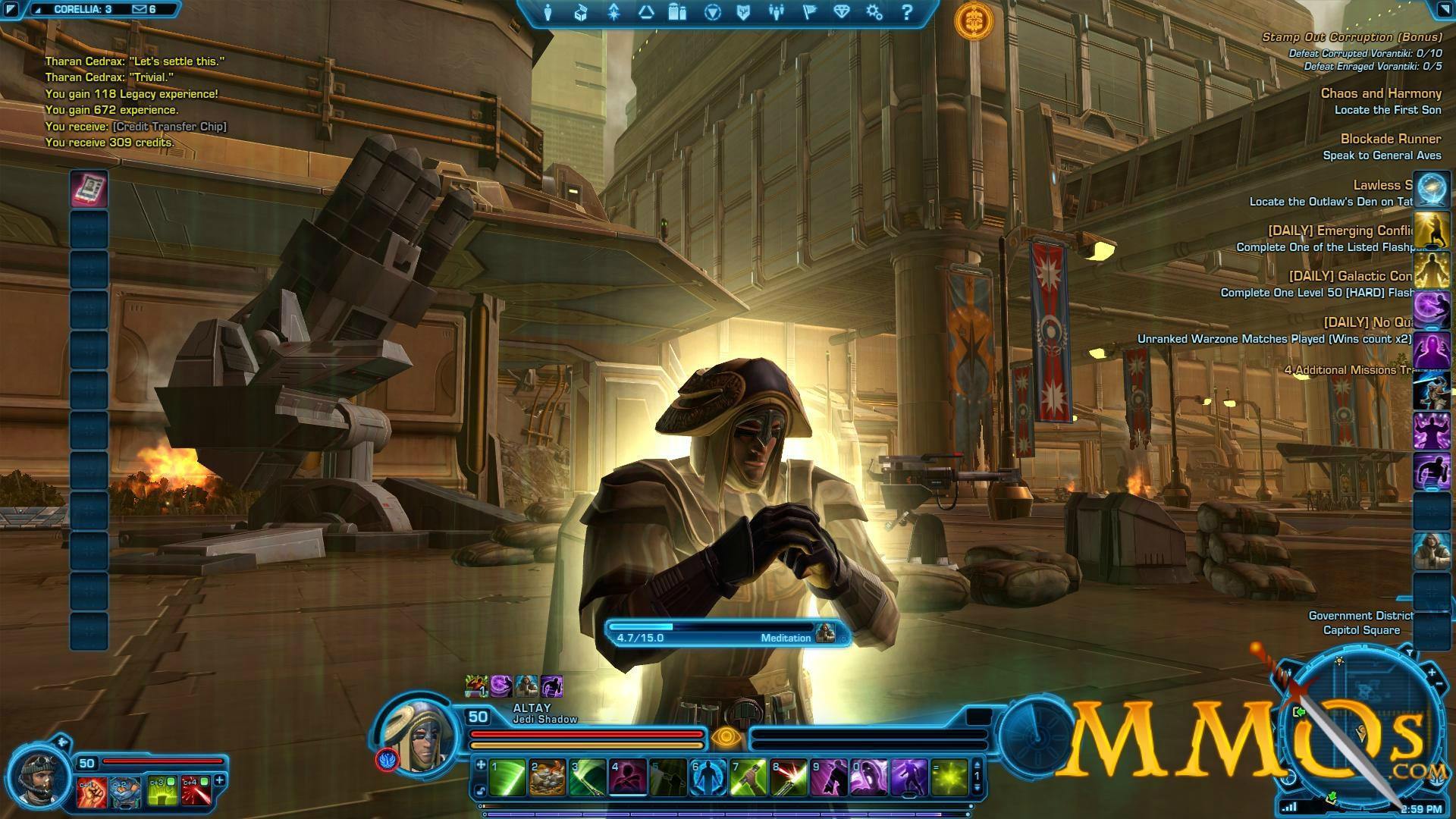
Housing in Star Wars: The Old Republic is handled through its strongholds system. Players can acquire and customize their own "bastions of personal luxury". Players can decorate their homes with furniture, trophies, mini pets, mounts, and other various goodies.
These are just a few MMORPGs with player housing. As a fan of housing in MMOs, I'm glad to see more and more games adding this feature. What game do you think has the best housing system? Which has the worst?
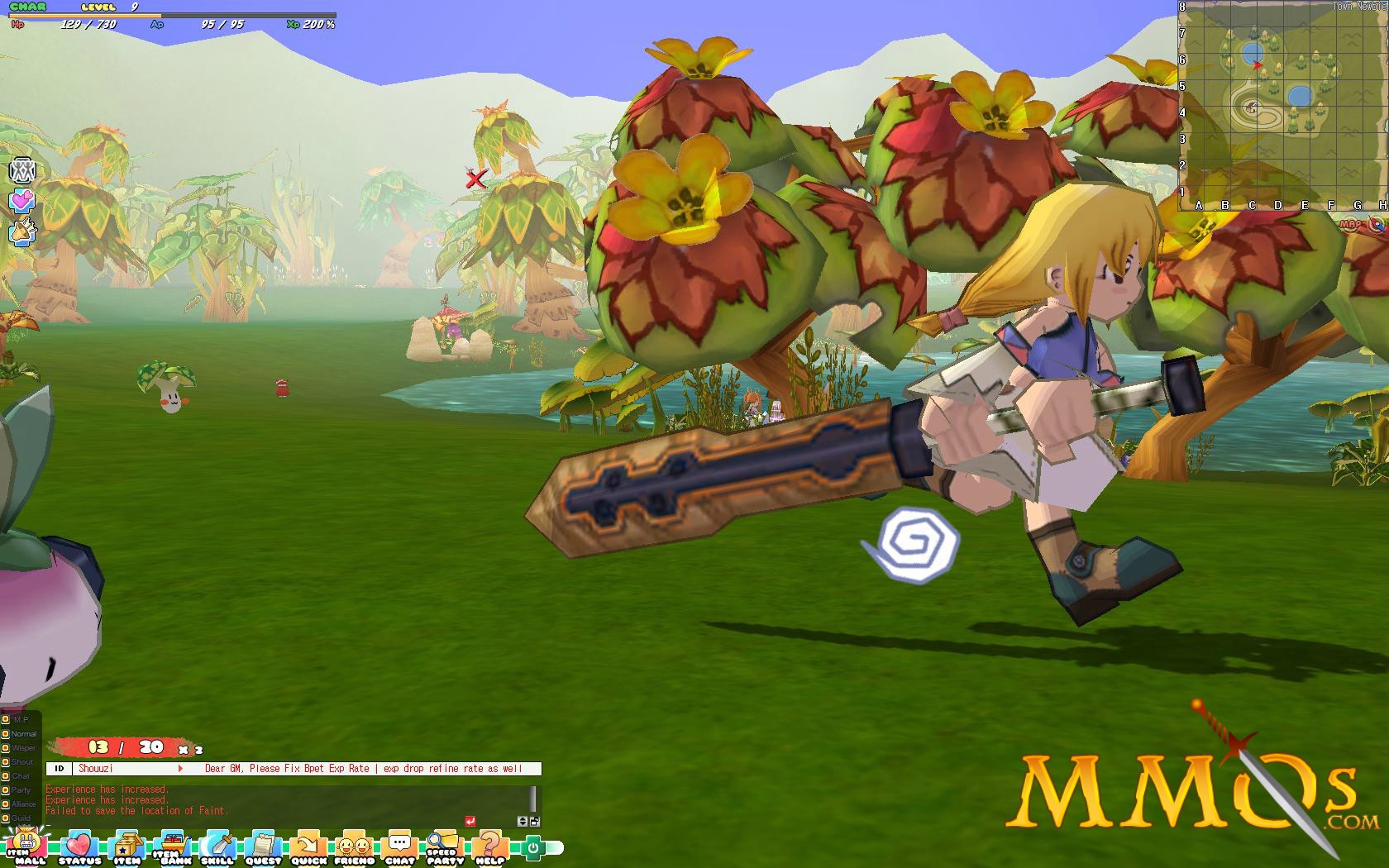
Seal Online: Blades of Destiny, or just Seal Online, is a 3D anime-inspired fantasy MMORPG with point-and-click gameplay. It features PvP, raids, pets, and a soulmate system.
Publisher: Playwith Interactive Playerbase: Medium Type: MMORPG Release Date: Nov 19, 2007 (NA/EU) PvP: Duels / Guild Wars / Open PKing / Arena Pros: +8 playable classes with job advancements. +Good pet system. +Varied PvP options. Cons: -Dated visuals. -Pay-to-win elements. -Repetitive grindy gameplay.
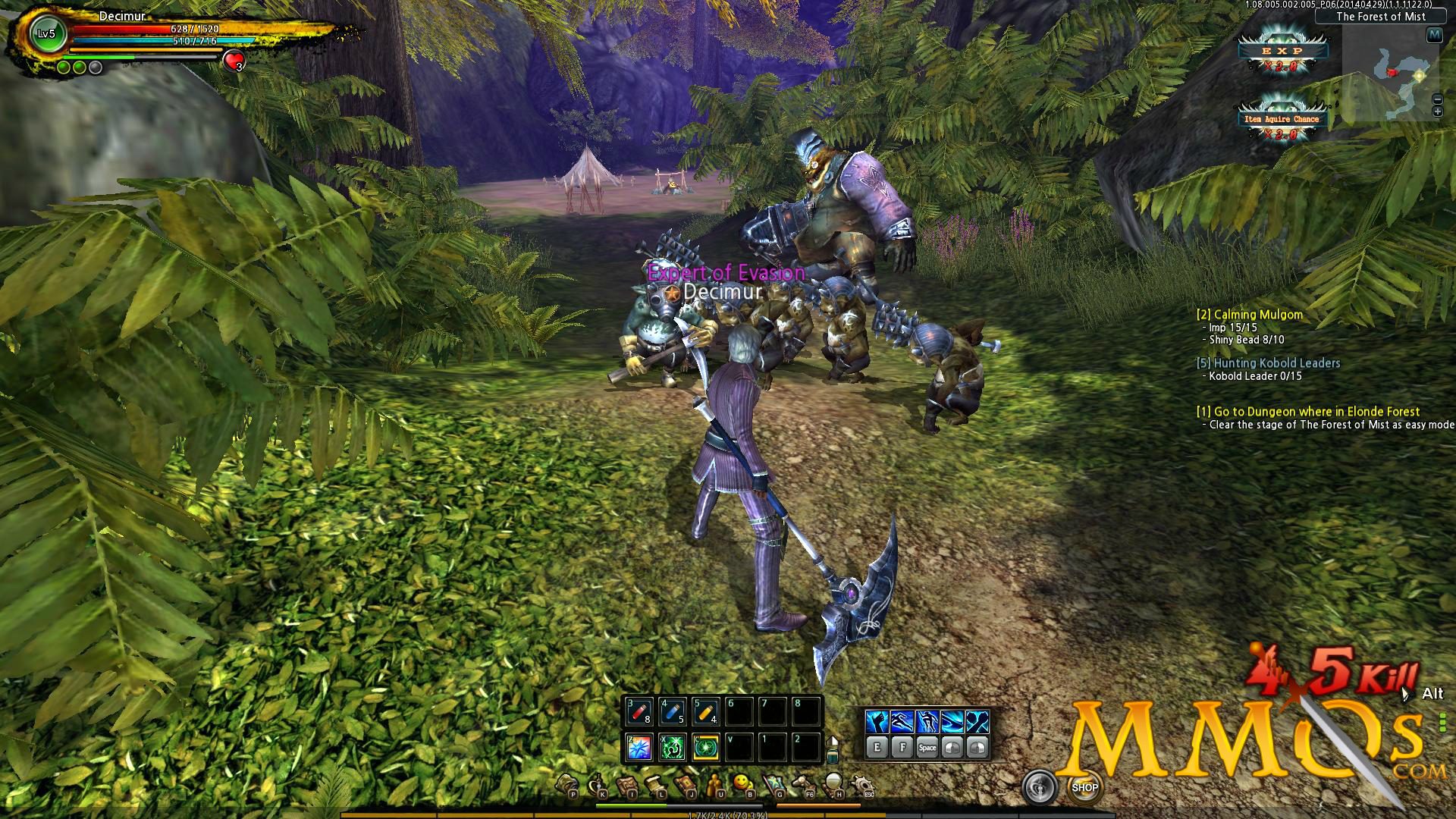
Divine Souls is a 3D action MMORPG that features four character classes as well as PvP in a MOBA-style battleground allowing players to lane and carry with the same character they quest and raid with. Its combat is fast-paced and combo-driven, bringing typical MMORPG combat to new heights by making it more action-oriented.


 (38 votes, average: 3.39 / 5)